
Earthquake Retrofit Solutions in Los Angeles, CA
Protecting Homes. Strengthening Foundations. Serving Southern California.
FREEInspection for Homeowners


Strengthen Your Home & Protect What Matters Most.
An earthquake retrofit helps ensure your home is ready to withstand seismic activity by reinforcing your foundation and framing. Los Angeles residents know that earthquakes are a part of everyday life, and every homeowner needs to be prepared for the next one. SOCAL SEISMIC CONSTRUCTION is here to help!
What is Earthquake Retrofitting?
Earthquake (or seismic) retrofitting is the process of adding bolts, braces, and structural reinforcements so your home can better resist the shaking and lateral movement of an earthquake.
Typical earthquake retrofit upgrades include:
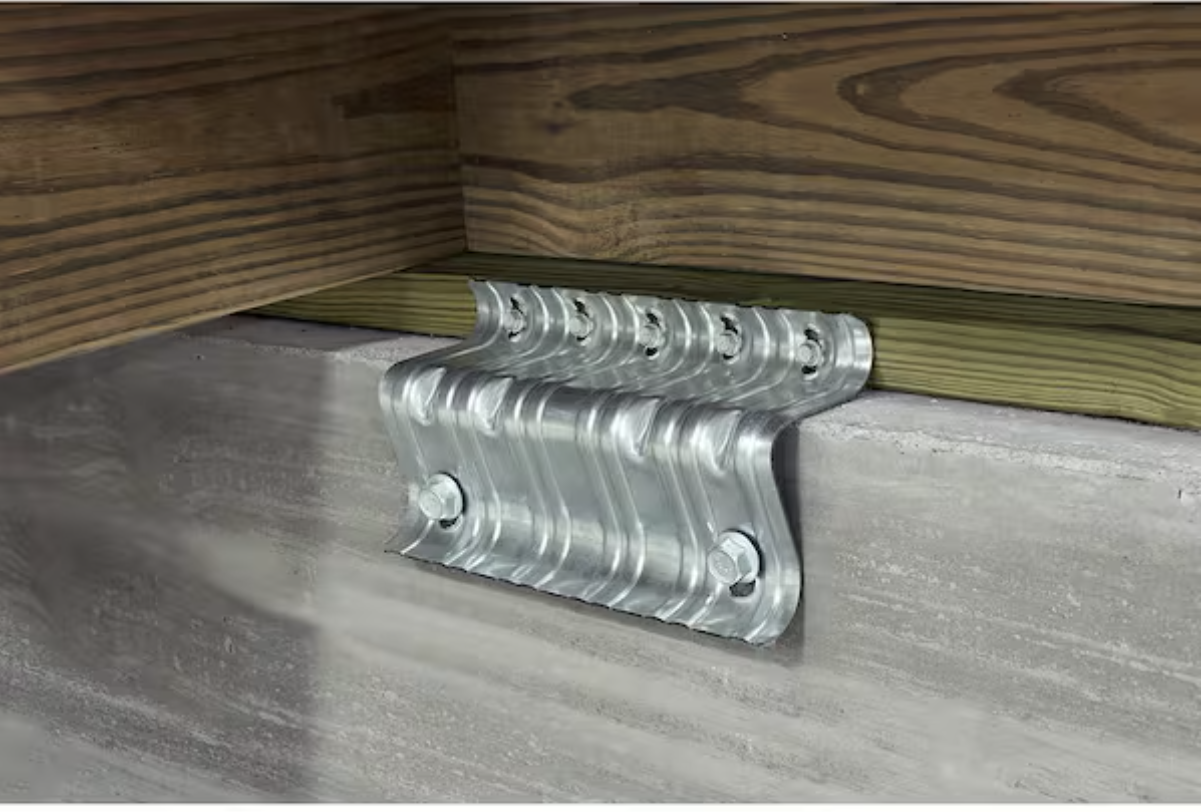
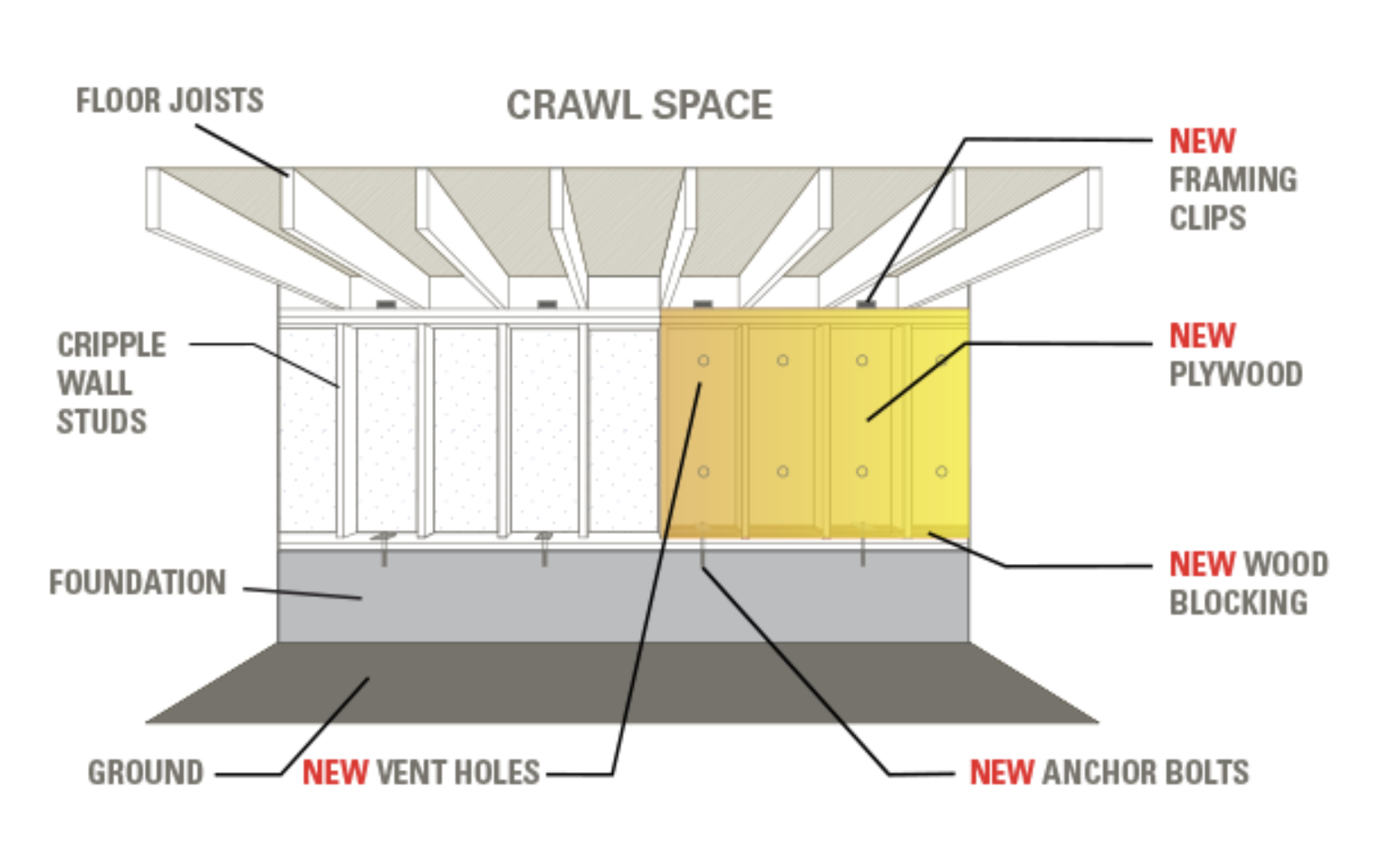
- Foundation Bolting: Secures your home’s wood frame to its concrete foundation.
- Cripple Wall Bracing: Strengthens short stud walls in crawl spaces with plywood sheathing
- Shear Transfer Ties: Helps floors, walls, and the foundation move together as one unit.
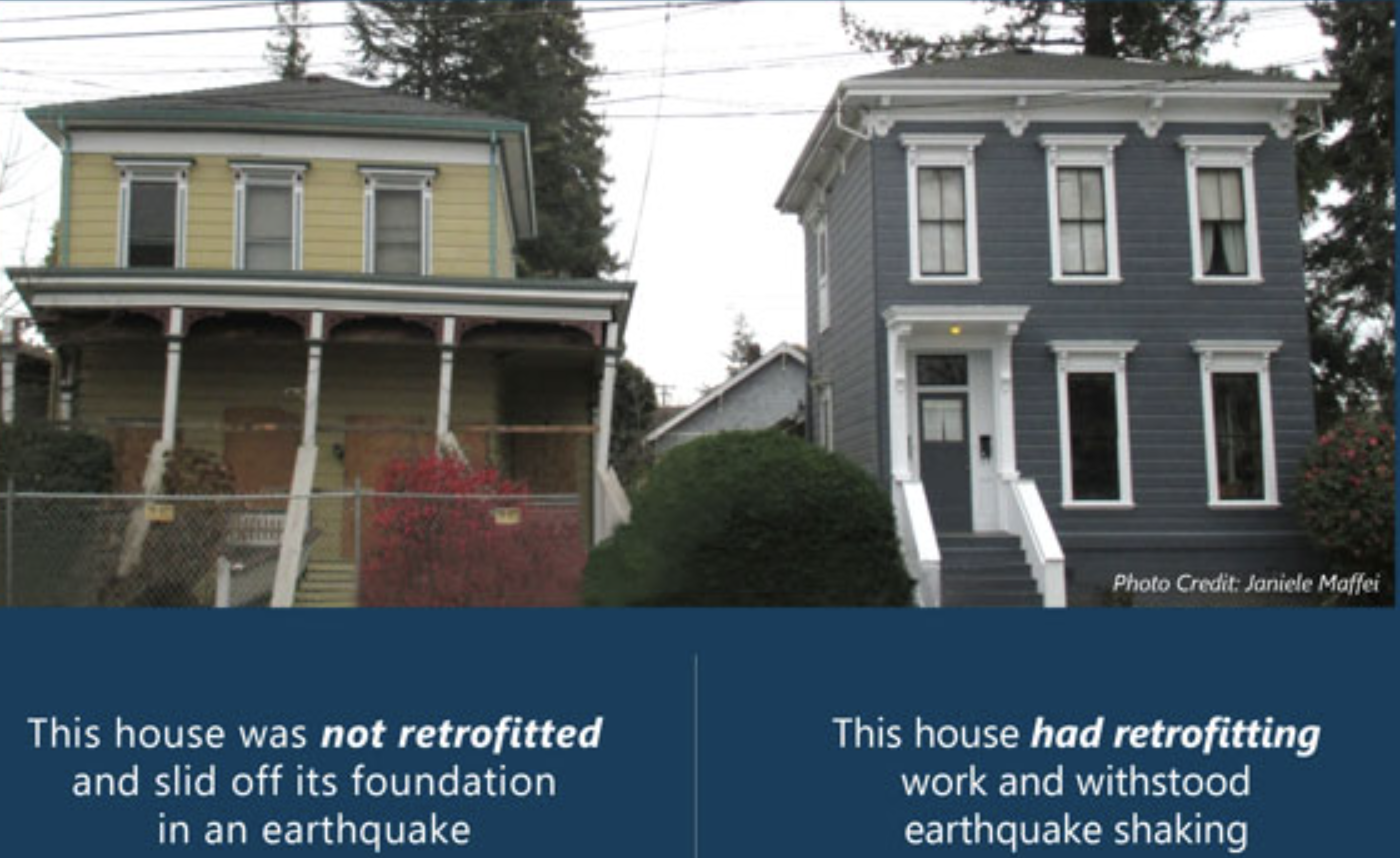
These improvements dramatically reduce the chance of your home sliding off its foundation or suffering catastrophic damage.
What Kind of Foundation Do You Have?
Raised Foundation House
If your home sits above a crawl-space or on a raised perimeter foundation (often with short wood-framed “cripple walls” beneath the first floor), it may be vulnerable during an earthquake — especially older homes built before modern seismic codes. A seismic retrofit can significantly improve its stability by strengthening the connection between the house and its foundation.
What if my house is not a raised or other foundation type?
Great news! Since a slab foundation house is built at ground level, and supported by concrete, it is already more earthquake resistant. As this foundation type is already more likely to better withstand earthquake damage.
Bolting vs. Bracing
Bolting
This involves installing heavy-duty anchor bolts to firmly connect the wooden frame of the house to the concrete foundation, helping prevent the structure from sliding or shifting off its base during ground shaking.
Bracing
Foundation bolting, bracing, and shear reinforcement completed by licensed professionals.
Benefits of Earthquake Retrofitting
- Peace of mind knowing your home is safer during seismic activity
- Prevent costly damage — repairs after an earthquake can exceed $100,000
- Lower insurance premiums (some providers offer 10–15% discounts)
- Increased property value with documented retrofit work
- Protect your family & investment
Our Retrofit Process
Here’s how SOCAL SEISMIC CONSTRUCTION makes it easy:
1. Free Inspection & Assessment
Identify weaknesses in your home’s foundation and framing.
2. Custom Retrofit Plan
Engineered solutions tailored to your home’s needs.
3. Installation
Foundation bolting, bracing, and shear reinforcement completed by licensed professionals.
4. Same-Day Report
Get documentation the same day for your records or escrow needs.
5. Final City Inspection
Ensuring compliance with LADBS codes and full peace of mind.
The SOCAL SEISMIC CONSTRUCTION Advantage
- Licensed, local experts with years of hands-on retrofit experience
- Same-day reports: the only company in LA offering this fast turnaround
- Flexible financing options — pay monthly, not all at once
- Trusted by hundreds of homeowners across Los Angeles County
- Recognized on Yelp, Google, BBB, and more
FAQ
Frequently Asked Questions
Earthquake Risk & Retrofit Effectiveness
My home survived a previous earthquake. Do I still need a retrofit?
Yes. Surviving a past earthquake does not mean your home is prepared for future events. Earthquakes vary widely in intensity depending on distance from the fault, soil conditions, and duration. A future earthquake may produce far stronger shaking than what your home has previously experienced. Seismic retrofitting prepares your home for more severe and sustained ground motion.
How strong is a properly retrofitted home?
A properly designed seismic retrofit significantly improves a home’s ability to resist major earthquakes. Retrofit systems are installed using methods consistent with California building standards and tested hardware. While no retrofit guarantees zero damage, the goal is to prevent collapse, foundation separation, and life-threatening structural failure.
What if my house is already bolted?
Older bolted homes can still be vulnerable. Early bolting methods often used oversized holes, inadequate spacing, or insufficient hardware. These conditions allow the house to shift during strong shaking. Additional reinforcement is often required to properly transfer earthquake forces into the foundation.
What about old or cracked foundations?
Cracks or older concrete do not automatically prevent a successful retrofit. Modern seismic strengthening systems are designed to work with a wide range of foundation conditions. What matters most is how seismic forces are transferred and distributed—not the age of the concrete itself.
Is there proof that seismic retrofitting works?
Yes. Retrofit methods are based on laboratory testing, engineering analysis, and real-world earthquake performance. Homes that have been properly retrofitted consistently perform far better than unretrofitted homes, often remaining on their foundations with dramatically reduced damage.
Insurance vs. Retrofitting
Why retrofit instead of relying on insurance?
Insurance may help cover repairs, but it does not prevent displacement, job loss, school disruption, or extended loss of use of your home. After major earthquakes, repair costs increase dramatically, contractors become scarce, and housing availability drops. Retrofitting is a proactive investment that reduces risk before disaster strikes.
The Seismic Retrofit Process
What happens after I request an appointment?
A trained inspector from SOCAL SEISMIC CONSTRUCTION performs a detailed evaluation of your home’s structural vulnerabilities. Based on these findings, a clear scope of work is prepared outlining recommendations, timelines, and pricing so you can make an informed decision.
Do I need a structural engineer?
Some homes require engineered plans, especially those with soft stories, hillside conditions, or unusual framing. Many standard retrofits can be completed using approved prescriptive methods. When engineering is required, it is incorporated into the project to ensure compliance and performance.
Do I need a building permit?
Most seismic retrofit projects require permits. Permits ensure the work is reviewed and inspected under current building regulations and provide documentation that the retrofit was completed correctly.
How long does a seismic retrofit take?
Timelines vary by scope. Simple foundation bolting may take one day. Standard raised-foundation retrofits typically take several days. More complex projects such as hillside or soft-story retrofits may take longer due to engineering, inspections, and construction sequencing.
Who will do the work?
All seismic retrofit work is performed by experienced, in-house crews from SOCAL SEISMIC CONSTRUCTION. We do not use subcontractors. This ensures consistent workmanship, accountability, and quality control on every project.
Is seismic retrofit work disruptive?
Most work occurs in crawl spaces or foundation areas, allowing homeowners to remain in the home. Some noise is expected, but disruption is typically limited. If interior access is required, affected areas are addressed as efficiently as possible.
Ready to Retrofit Your Home?
Don’t wait until after an earthquake to find out your home isn’t secure. Protect your family, your investment, and your peace of mind today.
Call now or book your free inspection online.