
Los Angeles Foundation Experts
Protecting Homes. Strengthening Foundations. Serving Southern California.
FREEInspection for Homeowners


Secure Your California Home with a Strong, Lasting Foundation
Your home’s foundation is its most critical support system. Over time, soil movement, water damage, or poor construction can cause serious structural problems. When repairs aren’t enough, a full foundation replacement ensures long-term safety and stability.

What is Foundation Replacement?
Foundation replacement involves carefully supporting your home, removing the failing foundation, and installing a brand-new reinforced concrete base. This process restores the integrity of your home, protects against seismic damage, and provides peace of mind for decades to come.
Signs You May Need a New Foundation
Not every home requires a full replacement, but here are some red flags that indicate it may be time:
- Large or widening foundation cracks
- Uneven or sagging floors
- Doors and windows that no longer fit properly
- Severe water intrusion or soil erosion
- Extensive settlement issues
If you’ve noticed any of these warning signs, our experts can determine whether repair or replacement is the best solution.
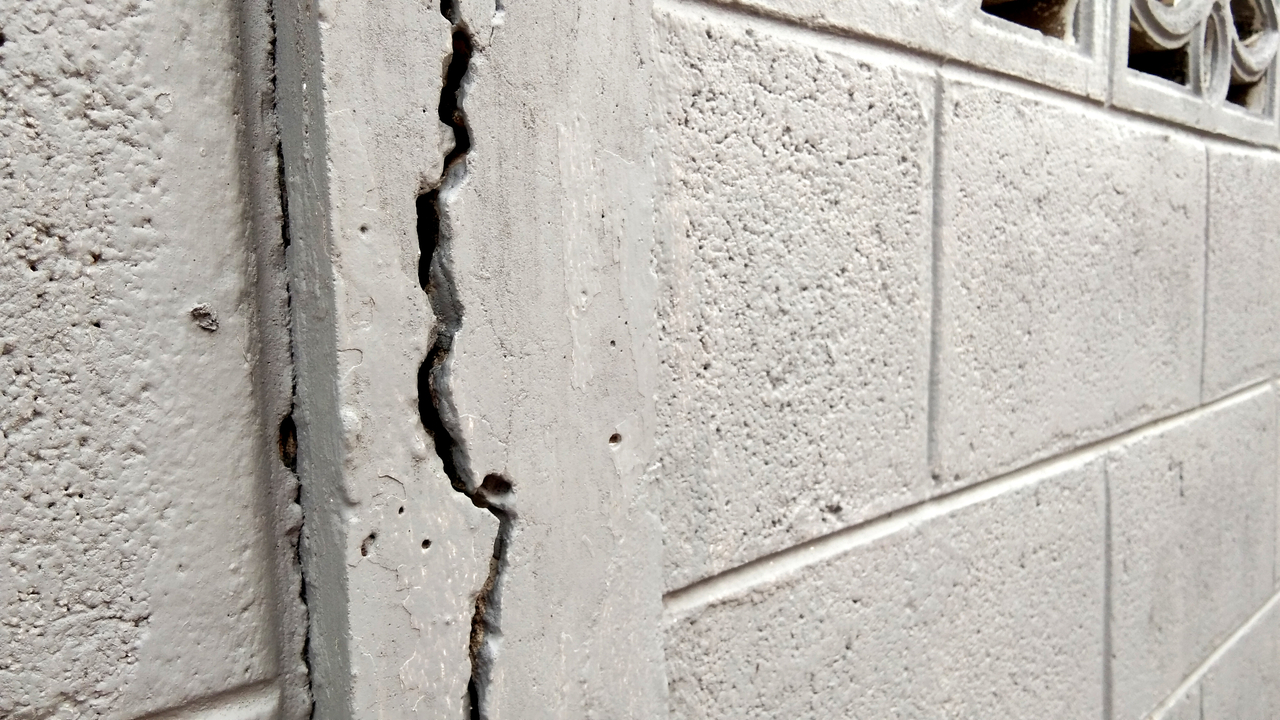
Foundation Types & Structural Conditions We Work With
Foundation Types
Cripple Wall Foundation
A cripple wall foundation consists of short wood-framed walls built between the concrete foundation and the first floor framing, commonly found in older raised-floor homes.
Pros:Allows access for utilities and can be significantly strengthened when properly braced and anchored.
Cons: One of the weakest foundation systems during major earthquakes if not reinforced, often leading to collapse or severe structural damage.
Stem Wall Foundation
A stem wall foundation consists of a concrete footing below grade with a short concrete wall extending above ground, supporting the structure around its perimeter.
Pros: Provides strong perimeter support and elevates the structure above ground moisture.
Cons: Older stem wall foundations may lack proper anchorage or reinforcement, making them vulnerable during earthquakes.
River Rock Foundation
River rock foundations are found in many older homes and are constructed from rounded stones bonded together with mortar.
Pros: Visually distinctive and historically common in early residential construction.
Cons: Considered unreinforced masonry and cannot be seismically retrofitted to modern performance standards.
Brick Foundation
Brick foundations consist of stacked brick and mortar supporting the structure and are typically found in older homes.
Pros: Can support vertical loads when intact and well-maintained.
Cons: Classified as unreinforced masonry and cannot be effectively seismically retrofitted for major earthquakes.
CMU (Concrete Masonry Unit) Foundation
A CMU foundation is built using stacked concrete blocks and may or may not contain steel reinforcement depending on age and construction method.
Pros: Durable and capable of strong structural performance when properly reinforced.
Cons: Older CMU foundations often lack reinforcement and perform poorly during seismic events.
Slab Foundation
A slab foundation is a single, thick concrete pad poured directly on the ground that supports the entire structure without a crawl space.
Pros: Cost-effective, low-maintenance, and resistant to moisture intrusion when properly constructed.
Cons: If settlement occurs, it must be properly repaired, as movement beneath the slab can lead to significant structural and plumbing issues.
Post & Pier Foundation
A post and pier foundation uses vertical posts or piers embedded into the ground to support beams that carry the structure above.
Pros: Provides airflow beneath the home and adapts well to uneven terrain.
Cons: Structurally weak during major earthquakes if posts, piers, and connections are not properly braced and reinforced.
Hillside, Caisson & Grade Beam Foundation
These foundation systems are designed for sloped or unstable terrain using deep concrete caissons drilled into stable soil or bedrock and tied together with reinforced grade beams.
Pros: Provides exceptional stability for hillside properties and challenging soil conditions.
Cons: Requires specialized engineering, drilling, and construction, making it more complex and costly than standard foundations.
Combination Foundation
A combination foundation uses multiple foundation types within the same structure, such as slab areas combined with raised foundations.
Pros: Allows flexibility to accommodate changes in elevation, soil conditions, or building design.
Cons: Transition areas between foundation types can become structural weak points if not properly designed and reinforced.
Structural Conditions & Services
House Leveling
House leveling restores a structure to a level position by correcting foundation settlement or uneven movement.
Pros: Improves structural integrity, door and window operation, and long-term performance.
Cons: May reveal additional structural issues that require further repair once leveling begins.
Foundation Spalling
Foundation spalling occurs when concrete flakes, chips, or deteriorates due to moisture intrusion or corrosion of embedded steel.
Pros: Early intervention can prevent further concrete and reinforcement damage.
Cons: If left untreated, spalling can compromise the structural integrity of the foundation.
Foundation Underpinning
Foundation underpinning strengthens an existing foundation by extending support to deeper, more stable soil.
Pros: Permanently stabilizes foundations affected by settlement or soil changes.
Cons: Can be invasive and costly depending on soil conditions and foundation depth.
Drainage & Waterproofing
Drainage and waterproofing systems manage surface water and groundwater to protect foundations from moisture-related damage.
Pros: Prevents water intrusion, reduces hydrostatic pressure, and protects long-term foundation performance.
Cons: May require removal or modification of landscaping, hardscape, or exterior features to properly redirect water.
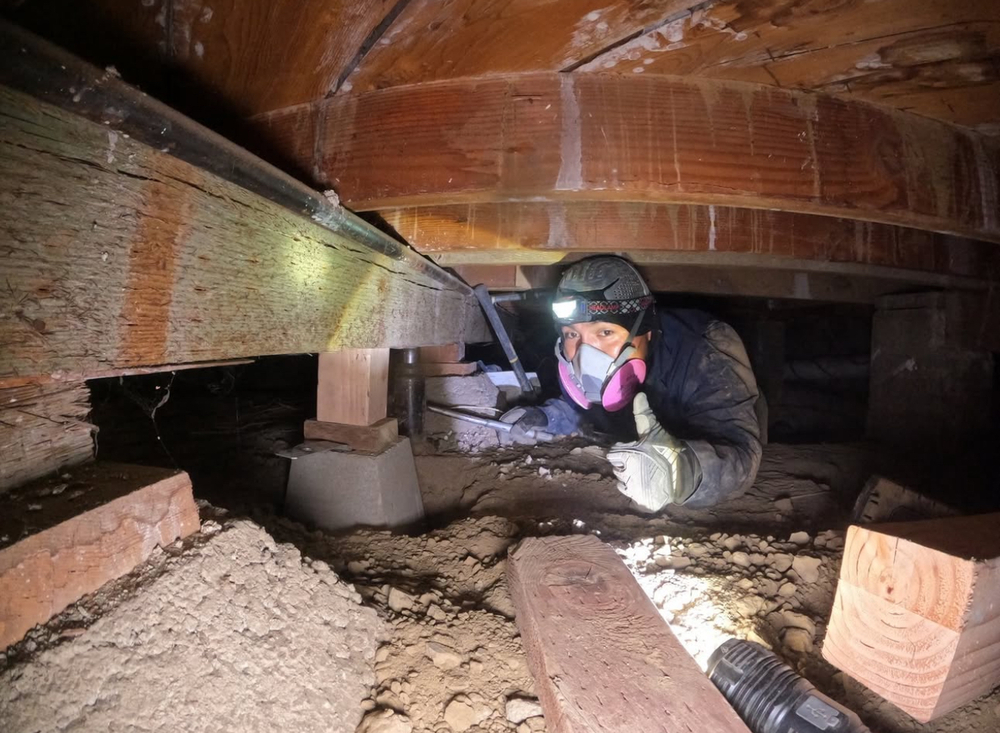
Benefits of Foundation Replacement in Los Angeles County
- Long-term safety and stability for your entire home
- Protects your investment and resale value
- Peace of mind knowing your home is built on a solid base
- Prepares your property for seismic activity and future code requirements
Our Foundation Replacement Process
At SOCAL SEISMIC CONSTRUCTION, we handle the entire process from start to finish:
1. Comprehensive Inspection
Identify damage and evaluate causes.
2. Temporary Support & Excavation
Secure your home while the old foundation is removed.
3. New Foundation Installation
Reinforced concrete foundation built to modern standards.
4. Final Inspection & City Approval
Ensure safety and compliance with LADBS codes.
The SOCAL SEISMIC CONSTRUCTION Advantage
- Over a decade of experience replacing and repairing foundations in Los Angeles
- Flexible financing options to fit your budget
- Licensed, local experts who understand California soil and seismic risks
- Trusted by hundreds of homeowners across Southern California
FAQ
Frequently Asked Questions
How do I know if I need a full replacement?
Not every crack means disaster. Our inspectors will determine whether repairs or full replacement are needed.
How long does foundation replacement take?
Depending on the size of the home, most projects take several weeks.
Can I stay in my home during the replacement?
In some cases, temporary relocation may be required for safety reasons — but we’ll guide you through every step.

Restore Confidence in Your Home’s Foundation
Don’t ignore the signs of foundation failure. Let SOCAL SEISMIC CONSTRUCTION restore your home’s stability with expert foundation replacement.
Call now or book your free inspection online.